Understanding the Casino Experience
Casinos are meticulously crafted environments where every detail plays a pivotal role in enhancing the player’s experience. From the layout of the gaming floor to the ambient sounds and vibrant lights, all elements are orchestrated to create an immersive atmosphere that captures visitors’ attention. The dazzling array of bright colors, combined with the rhythmic sounds of slot machines and the shuffle of cards, generates a sensory overload that can easily enchant a person, encouraging them to play longer than initially intended. Many players enjoy their time by trying out various games, including online pokies nz , which adds to the overall excitement and engagement, amplifying the desire to stay and continue gambling.
Furthermore, the design of casinos is often devoid of outside distractions. Many establishments intentionally lack windows and clocks, crafting an environment where gamblers can lose track of time. This clever design choice significantly contributes to an endless cycle of gameplay, as the absence of external cues can make hours feel like mere minutes. The psychological impact is profound; players frequently underestimate the time they spend at tables or machines, leading to prolonged gambling sessions that can extend well beyond their original plans. This can result in players being unaware of their gambling habits until they are deeply immersed in the experience.
Additionally, casinos feature comfortable seating and strategically placed refreshments that encourage players to linger. Many establishments offer complimentary drinks, enticing players to remain seated and engaged in gameplay. This not only prolongs their time spent at the venue but also increases the likelihood of further betting, as players become more engrossed in the experience. The entire atmosphere is meticulously crafted to heighten excitement and extend the overall gambling experience, making it easy for players to lose themselves in the thrill of the moment.
The Role of Game Design
Game design is crucial in ensuring players remain engaged for extended periods. For instance, slot machines utilize intricate designs that incorporate features such as progressive jackpots, free spins, and a myriad of themes that cater to diverse demographics. These elements create a compelling narrative for players, making each spin feel like a part of an engaging story. The combination of anticipation and reward systems keeps players returning to the machines, often leading them to lose track of the time they spend playing. The allure of winning big is a powerful motivator that draws players into a cycle of continuous play.
Moreover, the pacing of games is specifically engineered to maintain excitement. Fast-paced games with quick outcomes, like electronic roulette or high-speed poker, stimulate adrenaline and emotional engagement. This mechanism plays into behavioral psychology, where the potential for winning activates the brain’s reward pathways, similar to other rewarding experiences such as eating or social interaction. The thrill of gambling, combined with innovative game design, keeps players actively involved, continuously seeking the next big win. As a result, many players find themselves entranced, often extending their gaming sessions longer than they originally intended.
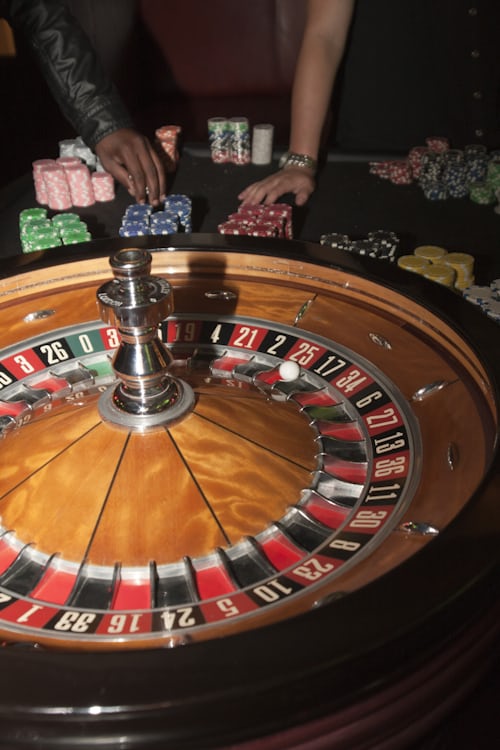
Lastly, the concept of “near misses” in game design further fuels player engagement. This phenomenon occurs when players are led to believe they were close to winning—for example, landing two out of three symbols needed for a jackpot. The psychological implications of a near miss can motivate players to keep playing, as they feel they are just one step away from a significant payout. This clever manipulation of game mechanics ensures a cycle of play that can last far longer than intended, capturing players’ attention and hope for a win. The continuous cycle of hope and anticipation drives players to stay longer, ultimately leading to increased spending.
The Psychological Manipulation at Play
Psychology plays a vital role in how casinos are designed to captivate players. The emotions tied to gambling often revolve around excitement, hope, and anxiety, all of which can be leveraged to prolong the gaming experience. Casinos utilize this understanding to create an atmosphere that amplifies these feelings, making players feel part of something larger. The sense of community, especially in table games, enhances the desire to stay longer, as players associate good times with their gambling experience. This social reinforcement can be a powerful factor in how long people choose to remain in the casino.
Furthermore, cognitive biases such as the illusion of control can be exploited by casinos to keep players engaged. Many gamblers believe they can influence outcomes through their strategies or choices, even in fundamentally random games. This belief can lead to extended play, as individuals feel empowered, convinced that their actions will result in winnings. Such psychological dynamics are often reinforced through signage and messaging within the casino, emphasizing skill or strategy, thus encouraging prolonged gameplay. This manipulation of perception plays a significant role in how players interact with the games and their likelihood of continuing to gamble.
Additionally, loyalty programs and rewards systems create strong incentives for players to continue gambling. These programs often provide points, bonuses, or other perks based on time spent playing, motivating players to stay longer in hopes of maximizing their rewards. This psychological commitment to achieving a goal, coupled with the allure of potential benefits, fosters an environment where extended play becomes almost inevitable. Casinos are, therefore, not just places of chance; they are crafted spaces designed for optimal player engagement, leading to a cycle of play that can be hard to break free from.
The Influence of Social Dynamics
The social dynamics within casinos significantly impact how long individuals choose to play. The communal atmosphere created by groups of friends or strangers gathered around gaming tables often promotes a sense of camaraderie. People enjoy sharing their experiences, celebrating wins, and providing support during losses. This interaction encourages players to remain engaged in gaming activities for extended periods, as the social aspect becomes an integral part of the experience. The feeling of belonging and the joy of shared experiences can make it difficult for players to leave.
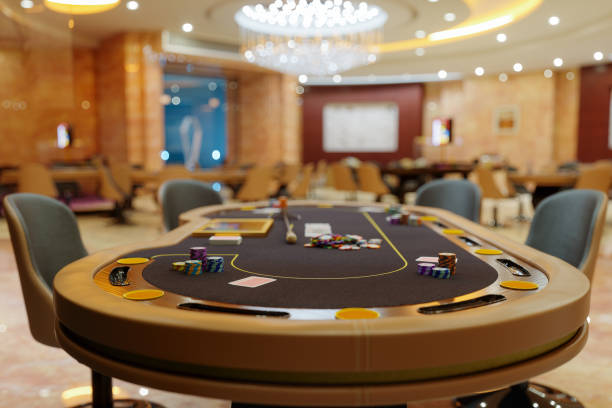
Moreover, casinos frequently incorporate elements such as live entertainment, dining options, and social lounges that facilitate interaction among players. These areas provide opportunities for socializing and networking, encouraging players to stay longer within the casino environment. The blend of social engagement with gambling creates a unique experience that can be difficult to walk away from, as players find themselves enjoying not just the games but also the connections formed with others. This intertwining of social and gaming activities leads to longer visits and increased player retention.
Additionally, peer pressure can also play a role in prolonging gameplay. When friends or fellow players are actively wagering, individuals may feel inclined to join in, even if they initially intended to leave. This dynamic creates a reinforcing loop where the social atmosphere serves as an additional layer of motivation to keep playing, leading to extended gaming sessions that were not part of their original plan. The overall impact of social dynamics is profound, helping casinos cultivate environments where players feel at home and less inclined to leave, thus extending their time at the gaming tables.
Conclusion and Insights on Casino Design
In summary, the design of casinos is intricately planned to encourage extended gameplay, tapping into various psychological, social, and sensory elements. From environmental factors like lighting and layout to game mechanics specifically designed for engagement, every aspect works synergistically to captivate players. Understanding these design principles allows players to become more aware of their surroundings and make informed decisions regarding their gaming habits. It is vital to recognize how these elements work together to create an alluring environment that can lead to prolonged play.
While casinos provide entertainment and excitement, it is essential for players to approach gambling mindfully. By recognizing how casinos are engineered to keep individuals playing longer, they can establish better boundaries and understand their motivations. Engaging with gambling should be done with a sense of awareness rather than blind absorption, allowing for enjoyment without falling into the trap of prolonged play. This awareness can empower players to enjoy the thrill of gaming while maintaining control over their time and finances.
Ultimately, the casino industry thrives on creating these engaging experiences, and awareness can serve as a powerful tool for players. The next time you step into a casino, take a moment to observe the environment and the factors influencing your behavior. With this knowledge, you can enjoy the thrills of gaming while maintaining control over your time and spending habits. Recognizing the strategies at play can help ensure that your experience is enjoyable and responsible, allowing for a balance between fun and moderation.
Recent Comments